GEL-GE

CNC Router: Choosing the Drive System
📌 Equipment Consultation, Specimen Cutting Appointment, and Factory Testing:
You can contact us via phone, email, or Facebook Messenger.
💬 One Stable Control Facebook Page
For more videos, please visit the official website’s <Video Sharing> section or check out the <YouTube Official Channel>!
Introduction and Selection of CNC Router Transmission Types
Key Guide to Distinguishing Contact vs Non-contact Processing
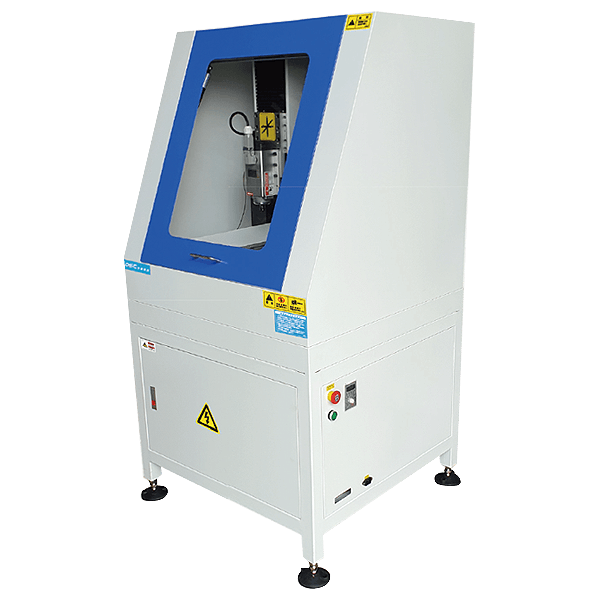
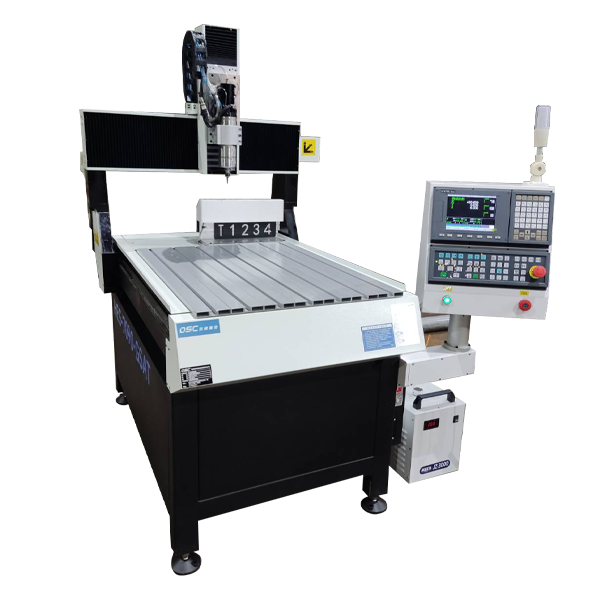
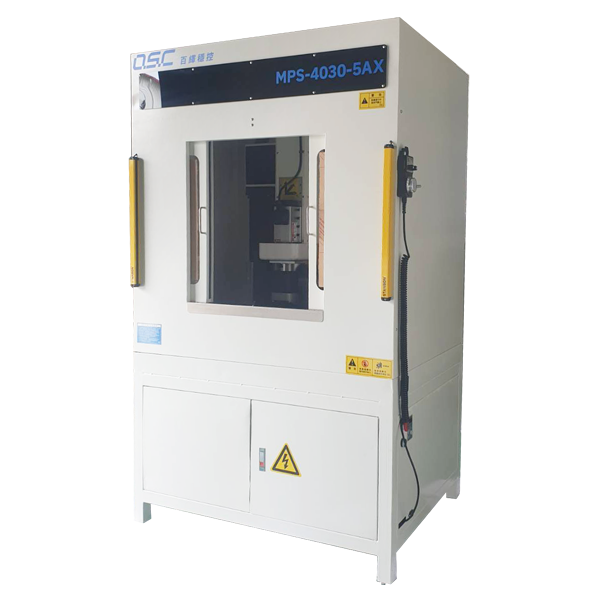
When purchasing a CNC Router or laser processing equipment, buyers often encounter various motion transmission terms such as ball screws, belts, gear reducers, gears, and racks. What are the differences between these transmission types? How should you select the appropriate machine based on contact processing (e.g., tool engraving) or non-contact processing (e.g., laser engraving or laser marking)? This article approaches from the consumer perspective, combined with actual O.S.C product models, to help you comprehensively understand transmission system characteristics and application recommendations.
O.S.C offers free specimen cutting service. You are welcome to send your materials for testing to ensure satisfaction with engraving results before purchasing, so you can buy with confidence!
1. Basic Definitions of Contact and Non-contact Processing
● Contact Processing:
Processing involving direct contact between the tool or spindle and the material, such as CNC milling, engraving, and cutting. This requires very high rigidity and precision in the transmission system.
● Non-contact Processing:
Such as CO2 laser, fiber laser, or UV laser, which process materials by energy beams and require high-speed, stable, and low-friction motion.
2. Analysis of Common Transmission Types and Application Recommendations
| Transmission Type | Characteristics | Suitable Processing | Advantages | Limitations |
|---|---|---|---|---|
| Ball Screw | High precision ball circulation transmission, low friction |
Contact (CNC metal engraving) |
High rigidity High precision Anti-backlash |
High cost, limited travel length |
| Timing Belt | Fast belt-driven speed, suitable for light loads |
Non-contact (Laser engraving) |
Low cost Fast speed Easy maintenance |
Limited precision, not suitable for heavy load |
| Gear Reducer | Increase torque and stability, often paired with servo systems |
Hybrid processing (Engraving + Marking) |
High torque, stable response |
High cost, increased inertia |
| Gear and Rack | High rigidity linear transmission, extendable by splicing |
Heavy cutting and precision machining (e.g., molds) |
High load capacity High speed Long travel |
Noisy, requires lubrication and maintenance |
3. Common Applications
| Application Scenario | Processing Characteristics | Recommended Transmission |
|---|---|---|
| Wood & Acrylic Cutting | Light load, speed-oriented | Timing Belt |
| Precision Engraving Molds & Aluminum |
High rigidity, precise positioning | Ball Screw + Gear Reducer |
| Large Area Cutting | Long travel, high-speed motion | Gear Rack + Servo Motor |
| Laser Marking | Non-contact, efficiency focused | Timing Belt |
| Composite Machines | Multi-functional integration of engraving + cutting | Gear Reducer + Rack |
4. Consumer Buying Suggestions
● Precision VS Speed:
For mold engraving or metal processing, choose models with "Ball Screw + Gear Reducer," such as MPS-6060GR; for speed and throughput focus, consider the "Belt + Rack" system.
● Budget VS Stability:
For limited budgets, start with timing belt entry-level models, with the option to upgrade later to rack transmission systems.
● Maintenance Convenience:
Belts are easier to maintain; racks and ball screws require regular lubrication and calibration.
● Processing Size Requirements:
For work areas over 1000mm, gear rack models are recommended.
5. Summary Comparison of Transmission Characteristics
| Transmission Type | Load Capacity | Positioning Accuracy | Speed Performance | Travel Length | Applicable Scenarios |
|---|---|---|---|---|---|
| Rack & Pinion | Extremely high Suitable for heavy cutting |
High Up to 0.1 mm |
Very high > 2 m/s |
Extendable by splicing Unlimited |
Large CNC Mold processing Laser cutting |
| Ball Screw | High But deformation occurs with long travel |
Extremely high Micron level |
Medium-high Limited by travel length |
Up to medium length | Precision CNC Machining centers |
| Timing Belt | Low to medium Requires width increase for load |
Medium Elastic error exists |
Extremely high Quiet and fast |
Long possible But cumulative error |
Economical laser engraving Plotters |
6. Conclusion
Different transmission types each have their own application features, advantages, and disadvantages. Choosing the right transmission structure lays the foundation for machining quality and efficiency. O.S.C offers diversified models and transmission systems based on various industrial applications, so whether you are an entry-level user or a professional manufacturer, you can find a suitable solution. If you have any questions about selecting CNC Routers or laser equipment, feel free to contact the O.S.C team to help you precisely match your processing needs and achieve efficient, high-quality machining.